The Hidden Performance Variable: How Gut Microbiome Composition Shapes Athletic Output, Recovery, and Mental Edge
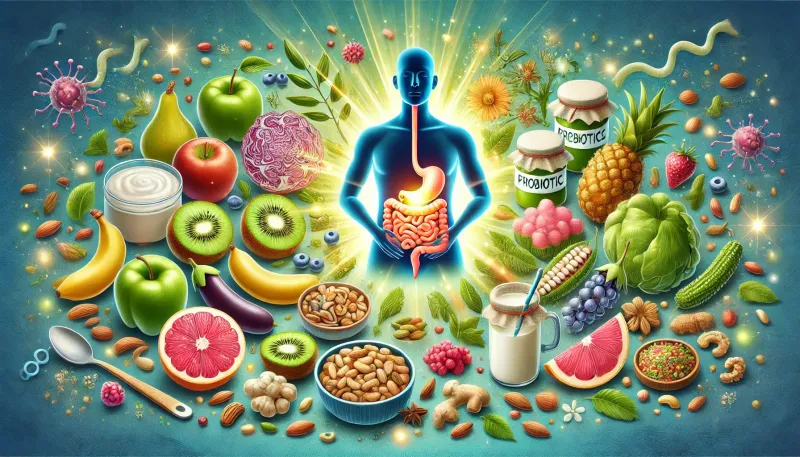
Photo: healthy gut microbiome nutrition athlete digestive health, via nomadfitnesstales.com
When American distance runner Sara Hall credits her dietary discipline as central to her competitive longevity, or when NFL training staffs invest in personalized nutrition protocols for their rosters, the conversation often centers on macronutrients and caloric timing. Rarely discussed—yet increasingly supported by research—is the biological ecosystem living inside every athlete's digestive tract. The gut microbiome, comprising an estimated 38 trillion microbial cells, is no longer viewed merely as a digestive accessory. It is emerging as an active participant in athletic performance, with implications that reach from energy availability to post-competition recovery to the psychological demands of high-stakes competition.
A Complex Ecosystem With Performance-Relevant Functions
The human gut microbiome is composed of bacteria, archaea, fungi, and viruses that collectively perform functions far exceeding simple food breakdown. These microorganisms synthesize short-chain fatty acids (SCFAs) from dietary fiber fermentation, produce neuroactive compounds including serotonin precursors, regulate systemic inflammation through immune signaling, and modulate the bioavailability of ingested nutrients. Each of these functions intersects directly with athletic performance.
Research published in Nature Medicine in 2019 brought the microbiome's performance relevance into sharp focus. Scientists at Harvard's Wyss Institute analyzed stool samples from elite marathon runners before and after the Boston Marathon and identified a notable increase in Veillonella atypica—a bacterium capable of converting lactate, a metabolic byproduct of intense exercise, into propionate, an energy-yielding short-chain fatty acid. When this bacterium was transplanted into mice, the animals demonstrated measurably improved run capacity. The implication was striking: certain microbial strains may actively recycle metabolic waste into usable fuel during endurance events.
Energy Metabolism and Substrate Availability
The relationship between gut bacteria and energy metabolism extends well beyond lactate recycling. SCFAs—particularly butyrate, acetate, and propionate—serve as substrates for hepatic gluconeogenesis and can spare muscle glycogen during prolonged exercise. Athletes with microbiomes rich in fiber-fermenting bacteria, such as Bifidobacterium and Faecalibacterium prausnitzii, may therefore access a broader substrate pool during competition.
Conversely, dysbiosis—a disrupted microbial balance characterized by reduced diversity and overgrowth of pathogenic species—has been associated with impaired carbohydrate metabolism and reduced energy efficiency. A 2020 review in Frontiers in Physiology noted that athletes with lower microbiome diversity showed higher rates of gastrointestinal distress during events, a phenomenon that directly compromises performance by forcing pace reductions and increasing perceived exertion.
Gastrointestinal issues affect an estimated 30 to 50 percent of endurance athletes during competition, according to data from the American College of Sports Medicine. While dehydration and pre-race nutrition are frequently implicated, microbiome composition is increasingly recognized as an independent contributor to GI vulnerability.
Inflammation, Recovery, and the Microbial Immune Axis
Post-exercise inflammation is a necessary driver of adaptation, but excessive or prolonged inflammatory signaling delays recovery and increases injury risk. The gut microbiome exerts substantial influence over systemic inflammatory tone through its interaction with the intestinal immune system, which houses roughly 70 percent of the body's total immune cells.
Barrier integrity—the gut's ability to prevent microbial translocation into systemic circulation—is a key variable. Intense exercise transiently increases intestinal permeability, a phenomenon sometimes called "leaky gut," which allows bacterial endotoxins such as lipopolysaccharide (LPS) to enter the bloodstream and trigger inflammatory cascades. Athletes with robust populations of butyrate-producing bacteria maintain stronger epithelial barrier function, potentially limiting this exercise-induced permeability and accelerating post-competition recovery.
A study published in Applied Physiology, Nutrition, and Metabolism found that probiotic supplementation with Lactobacillus acidophilus and Bifidobacterium longum reduced markers of exercise-induced muscle damage and lowered circulating inflammatory cytokines in trained cyclists over a 12-week period. While single-strain probiotic research remains an evolving field, the mechanistic rationale for microbiome-targeted recovery strategies is increasingly well-supported.
The Gut-Brain Axis: Microbiome Influence on Mental Resilience
Competitive performance is never purely physical. The psychological demands of racing, game-day pressure, and sustained mental focus under fatigue are performance variables that coaches and sports psychologists have long recognized. What is newer—and considerably more surprising—is the evidence that gut bacteria influence these psychological dimensions through the gut-brain axis.
The vagus nerve, along with hormonal and immune signaling pathways, forms a bidirectional communication highway between the enteric nervous system in the gut and the central nervous system. Gut bacteria produce approximately 90 percent of the body's serotonin and influence GABA receptor expression in the brain. Dysbiosis has been linked to elevated cortisol reactivity, increased anxiety-related behavior in animal models, and reduced stress tolerance in human studies.
For competitive athletes, this connection carries meaningful implications. The pre-competition anxiety that undermines performance, the mental fatigue that sets in during the final miles of a marathon, and the mood disruptions that accompany heavy training blocks may all have partial roots in microbiome composition. Research from University College Cork demonstrated that supplementation with Lactobacillus rhamnosus reduced anxiety-related cortisol responses in rodent models—a finding that has prompted human trials now underway in several sports science laboratories.
Dietary and Supplementation Strategies Backed by Current Research
For athletes seeking to optimize their microbiome, the evidence points toward several consistent interventions:
Dietary fiber diversity. Consuming a wide variety of plant-based foods—targeting 30 or more distinct plant species weekly, a benchmark supported by the American Gut Project's findings—promotes microbial diversity and enriches populations of SCFA-producing bacteria. Legumes, whole grains, and a broad range of vegetables are particularly effective substrates.
Fermented food incorporation. A 2021 randomized controlled trial in Cell demonstrated that a high-fermented food diet—including yogurt, kefir, kimchi, and kombucha—increased microbiome diversity and reduced inflammatory protein markers more effectively than a high-fiber diet alone over a 10-week period. These foods introduce live microbial cultures while simultaneously feeding existing populations.
Targeted probiotic supplementation. While the probiotic supplement market in the US is crowded with products of variable quality, strains with the strongest athletic performance data include Lactobacillus acidophilus, Bifidobacterium longum, and Veillonella atypica (the latter available through specialized clinical formulations). Athletes should prioritize products with documented colony-forming unit (CFU) counts, third-party testing, and refrigeration requirements that indicate viable cultures.
Prebiotic fiber supplementation. Inulin, fructooligosaccharides (FOS), and resistant starch selectively nourish beneficial bacterial populations. Adding a prebiotic supplement or increasing dietary sources such as chicory root, garlic, and green bananas can amplify the impact of both dietary and probiotic interventions.
Antibiotic stewardship. Broad-spectrum antibiotic use can devastate microbiome diversity for months. Athletes should discuss the timing and necessity of antibiotic courses with their physicians, particularly during heavy training periods, and implement aggressive probiotic and fermented food protocols during and after any antibiotic treatment.
A Frontier Worth Prioritizing
The gut microbiome represents a genuinely novel performance variable—one that most training programs, supplement stacks, and recovery protocols have yet to formally address. As research matures and personalized microbiome testing becomes more accessible and affordable, the ability to tailor dietary and supplementation strategies to an individual's microbial fingerprint will likely become a standard feature of elite athletic preparation. For now, the foundational interventions—dietary diversity, fermented foods, and evidence-supported probiotics—offer a practical and well-supported starting point for athletes ready to optimize from the inside out.


