When Measurement Becomes the Obstacle: The Hidden Physiological Toll of Obsessive Biometric Tracking
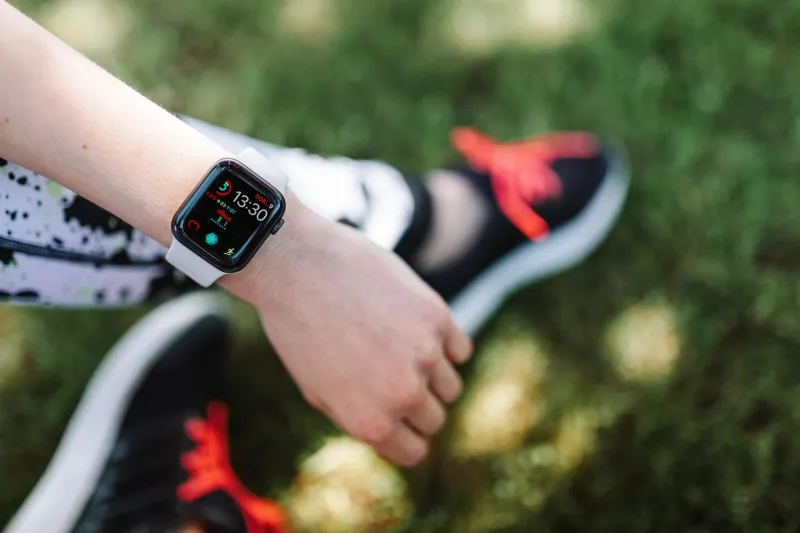
There is a particular kind of athlete who wakes before dawn, reaches for a wrist-worn device before their feet touch the floor, and makes a series of consequential decisions — whether to train hard, train easy, or skip the session entirely — based on a single numeric readout. Heart rate variability score: 52. Sleep quality: 71%. Readiness: suboptimal. The workout is scaled back accordingly.
This scenario, increasingly common among both competitive and recreational athletes across the United States, represents the paradox at the center of modern performance optimization culture. The very instruments designed to enhance recovery awareness may, under certain conditions of use, be generating the physiological disruption they purport to detect.
The Promise and the Problem With Biometric Surveillance
The commercial wearable market in the US generated over $95 billion in revenue in 2023, a figure driven substantially by health-conscious consumers seeking granular feedback on their bodies. Devices now track everything from nocturnal respiration rate to continuous glucose fluctuations, offering athletes a level of self-knowledge that was previously accessible only in clinical or elite sports science settings.
The appeal is rational. Heart rate variability (HRV), for instance, is a legitimate and well-researched proxy for autonomic nervous system balance. When interpreted correctly and longitudinally, HRV trends can meaningfully inform training load decisions. Sleep staging data, while imperfect when generated by consumer-grade accelerometers, provides directional insight into recovery quality. Used judiciously, these tools have genuine utility.
The complication arises not from the metrics themselves but from the psychological relationship athletes form with them. Research in the domain of health anxiety and interoceptive monitoring suggests that frequent, high-stakes engagement with bodily measurements can shift an individual's attentional focus inward in ways that amplify threat perception — even in the absence of genuine physiological stress.
Cortisol, Cognition, and the Feedback Loop Nobody Planned For
To understand why obsessive tracking may suppress adaptation rather than support it, it is necessary to examine the hypothalamic-pituitary-adrenal (HPA) axis and its sensitivity to anticipatory cognitive stress. The body does not distinguish cleanly between the stress of a hard interval session and the stress of anxiously interpreting a poor readiness score at 5:30 a.m. Both stimuli activate overlapping neural circuits and produce measurable cortisol responses.
A 2020 study published in Psychoneuroendocrinology demonstrated that individuals who engaged in frequent self-monitoring of health metrics exhibited elevated baseline cortisol levels and reduced HRV compared to control subjects — the very physiological signature of incomplete recovery. The monitoring intended to detect recovery deficits was, in a meaningful subset of participants, contributing to them.
This creates a feedback loop with significant performance consequences. Elevated chronic cortisol suppresses testosterone synthesis, attenuates growth hormone pulsatility, and impairs the protein synthesis signaling cascades that underpin muscular adaptation. The athlete checking their wrist-worn device for signs of recovery inadequacy may be biochemically reinforcing the inadequacy they fear.
Orthosomnia: When Sleep Data Becomes a Sleep Disruptor
The phenomenon has been formally documented in the sleep science literature under the term orthosomnia — a clinical designation for the preoccupation with achieving perfect sleep scores that paradoxically worsens sleep quality. First described in a 2017 Journal of Clinical Sleep Medicine case series, orthosomnia captures the experience of individuals who lie awake at night anxious about the sleep data they will generate, thereby generating worse sleep data.
For athletes, the implications extend beyond sleep itself. Poor sleep architecture reduces muscle protein synthesis, elevates inflammatory cytokines, and diminishes cognitive processing speed — all outcomes that compromise both training adaptation and competitive performance. When the mechanism driving poor sleep is the monitoring device worn on the wrist, the athlete faces a self-defeating cycle that more sophisticated tracking equipment cannot resolve.
Sleep researchers at the University of Pennsylvania have noted that subjective sleep quality assessments — how rested an individual reports feeling — frequently diverge from device-generated scores, and that subjective assessments often carry greater predictive validity for same-day performance outcomes. This finding has significant implications for how athletes should weight objective versus perceived readiness.
The Neuroscience of Interoceptive Trust
Under conditions of chronic external measurement dependence, athletes may experience a measurable attenuation of interoceptive accuracy — the capacity to accurately perceive and interpret internal physiological signals. A 2019 paper in Frontiers in Psychology proposed that habitual reliance on external feedback devices reduces the brain's investment in developing and refining its own predictive models of bodily state.
In practical terms, this means that athletes who have spent years deferring to wearable data may find it genuinely difficult to gauge their own fatigue, readiness, or recovery status without technological mediation. This erosion of internal signal literacy carries performance risk in competitive contexts where devices are absent, prohibited, or simply fail to provide timely information.
Elite coaches working with professional athletes in endurance and team sports disciplines have increasingly noted this pattern, describing athletes who are technically sophisticated but experientially disconnected — capable of narrating their HRV trends with precision while unable to articulate whether their legs feel heavy on a given morning.
Evidence-Based Strategies for Recalibrating the Tracking Relationship
The goal is not the abandonment of biometric monitoring, which, used appropriately, remains a valuable component of a comprehensive performance strategy. Rather, the evidence supports a deliberate recalibration of how and when data is engaged.
Implement structured data-free periods. Periodically removing wearable devices for one to two weeks — particularly during base training phases or planned deload weeks — allows the nervous system to disengage from measurement-associated vigilance. Research on cognitive load and attentional depletion suggests that these breaks can restore interoceptive sensitivity and reduce baseline anxiety levels.
Adopt a trend-over-snapshot interpretation framework. Single data points are statistically noisy and contextually limited. Athletes and coaches who evaluate rolling seven- to fourteen-day averages rather than daily scores report lower decision-related anxiety and more consistent training adherence. The signal in biometric data is almost always longitudinal, not acute.
Establish a subjective-first protocol. Before consulting any device readout each morning, athletes can benefit from completing a brief written or verbal self-assessment of perceived energy, mood, and muscular readiness. Comparing this subjective impression against objective data over time builds both interoceptive skill and a more nuanced understanding of personal metric reliability.
Define decision thresholds in advance. Much of the anxiety generated by biometric tracking stems from ambiguity — the athlete is uncertain what a given score means for their training plan. Pre-establishing clear, coach-informed thresholds (e.g., modifying intensity only when HRV drops more than 15% below a thirty-day baseline for two consecutive days) reduces the cognitive burden of real-time interpretation and limits the scope for anxiety-driven overreaction.
Performance as a Process, Not a Dashboard
The fundamental tension at the heart of this issue is between two valid but sometimes competing imperatives: the scientific imperative to quantify, and the physiological imperative to allow adaptation to proceed without interference. Measurement, at its best, informs process. At its worst, it replaces the process with a performance of monitoring.
The athletes who have historically achieved the highest levels of sustained performance are not those who tracked the most variables, but those who developed the deepest understanding of their own bodies — an understanding that technology can support but cannot substitute for. The data should serve the athlete. When the relationship inverts, and the athlete begins serving the data, the adaptive capacity that training is designed to build quietly begins to erode.